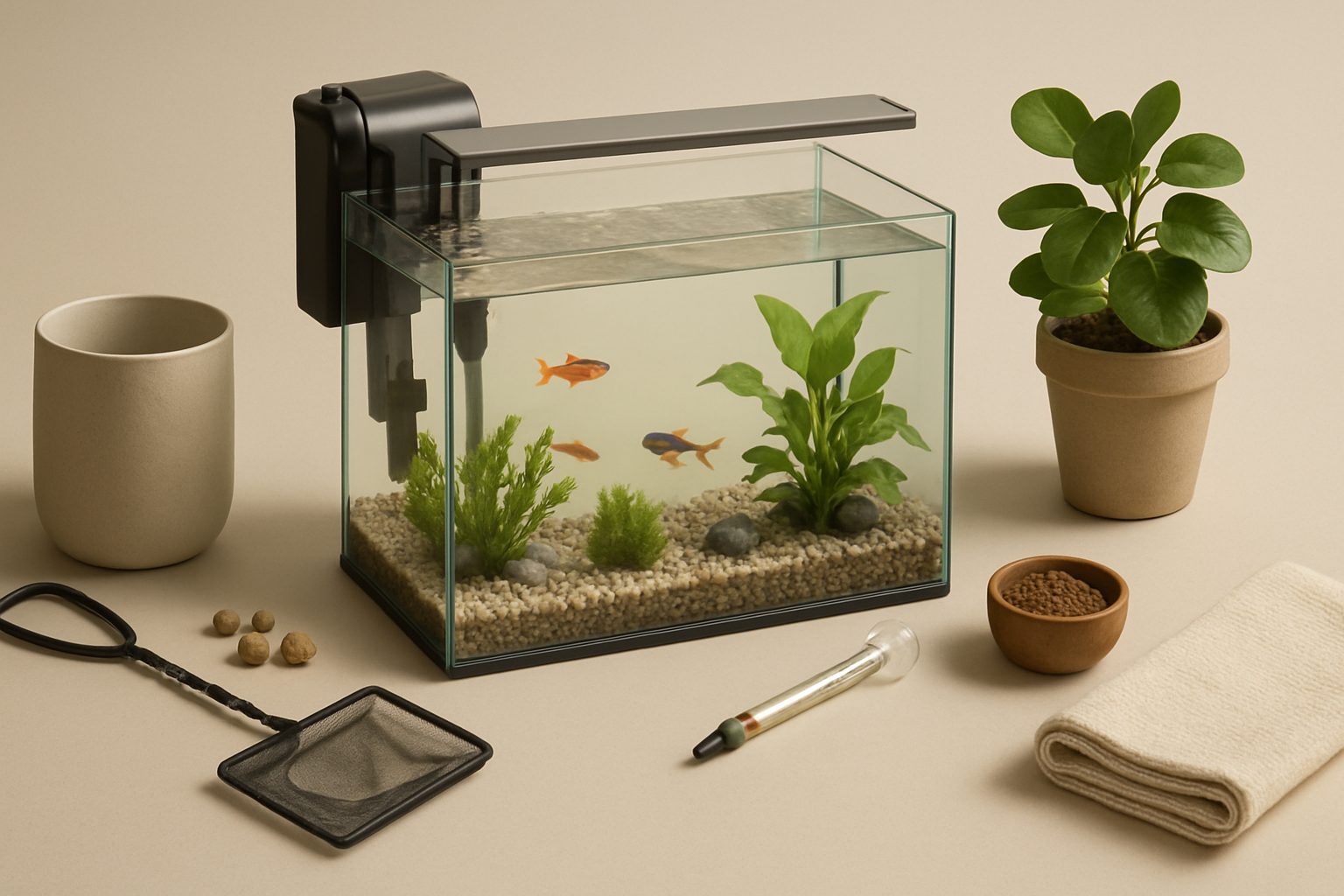
Shrimp Keeping for Beginners UK: How to Start a Freshwater Shrimp Tank
Freshwater shrimp are increasingly popular in UK aquariums, and for good reason. They're hardy, fascinating to watch, and far less demanding than many fish species. Whether you're new to the hobby or looking to diversify your existing setup, starting a shrimp tank is straightforward—but there are specific requirements worth understanding from the start.
Why Keep Freshwater Shrimp?
Unlike fish, shrimp are low-maintenance once the fundamentals are right. They don't produce much waste, they're quiet, and they create minimal disturbance. Most importantly, they're genuinely interesting. Watching shrimp forage, moult, and interact with their environment reveals behaviour that fish keepers often miss. In small spaces—flats, offices, limited shelf room—a well-stocked shrimp nano tank occupies minimal floor space while providing surprisingly rich activity.
They're also cost-effective. A small starter colony of hardy shrimp costs between £15 and £40, and they'll breed reliably if conditions suit them, meaning you won't need to replace stock frequently.
Getting the Basics Right
The first mistake many beginners make is assuming shrimp need large tanks. They don't. Even small aquariums of 20–30 litres work well, though 40 litres gives more stability and buffer against parameters shifting. Tank size matters less than water quality and stability.
Your tank needs an aquarium heater, a gentle filter, and a thermometer. Shrimp prefer temperatures between 18 and 25°C. If your room temperature naturally stays in this range—which many UK homes don't—you might skip the heater. A dedicated shrimp heater (50–100W depending on tank size) is inexpensive and prevents temperature swings that stress colonies.
Filtration doesn't need to be powerful. Shrimp don't appreciate strong currents. A small sponge filter or hang-on-back filter with the flow adjusted to minimal works perfectly. The key is that it keeps water clear and doesn't create turbulence.
Water Parameters: The Non-Negotiable
This is where shrimp keeping differs from casual fishkeeping. Water chemistry matters, and it matters consistently.
Most beginning shrimp keepers in the UK will be using tap water, which varies significantly by region. In hard-water areas (southern England, parts of the Midlands), tap water often has a General Hardness (GH) of 8–12 degrees or higher. Soft-water regions (Scotland, Wales, southwest) might see GH below 4. Shrimp species vary in what they tolerate, but most hardy species—Red Cherry Shrimp being the most forgiving—adjust to GH between 4 and 8.
Test your tap water. A simple GH test kit costs £5–10 and tells you what you're working with. Some keepers add Indian almond leaves to slightly soften water; others accept their regional water chemistry and stock accordingly.
pH should sit between 6.5 and 7.5 for most species. Aquarium soil—not standard substrate—naturally creates a pH favourable to shrimp and also contains beneficial minerals. Brands like Dennerle or Tropica are reliable but cost more than basic gravel. Budget-conscious keepers use standard substrate layered with aquarium soil beneath.
Ammonia and nitrite must be zero, always. This requires a cycled tank. Cycle your aquarium for two to four weeks before adding shrimp—feed the filter by adding small amounts of food daily or by using a fishless cycling method with ammonia.
Plants and Substrate Matter
Shrimp need somewhere to hide. Without cover, they stress and become cryptic. Live aquatic plants serve this purpose while also improving water quality. Mosses are ideal: Java moss and Christmas moss attach to wood or rock, creating dense cover where shrimp feel secure.
Include a thin layer of soft substrate. Shrimp spend much of their time foraging in it. Standard aquarium soil works, or a mix of aquarium sand and peat. Avoid sharp gravels—they damage the delicate underside of shrimp as they burrow and feed.
Add one piece of driftwood or bogwood. It provides hiding spots, surfaces for algae growth (which shrimp eat), and places for moss to anchor. Soak it first to ensure it doesn't leach tannins excessively.
Feeding Your Shrimp
Overfeeding is the most common error. Shrimp are scavengers. In an established tank with plants, they'll find most of what they need—algae, decaying plant matter, detritus. Feed supplementary foods sparingly: two or three times a week, in portions small enough to be consumed within a few hours.
Dedicated shrimp foods (powders or pellets) are worth buying. They're formulated with the minerals shrimp need. Avoid fish flakes. Blanched vegetables like courgette or spinach work occasionally, but remove uneaten portions after 24 hours to prevent water fouling.
Choosing Tank Mates
Here's the hard truth: most fish will hunt shrimp. Young shrimp disappear into fish diets quickly. Some fish are safe—certain small tetras or corydoras catfish usually ignore adult shrimp—but the risk remains.
Small snails (Assassin Snails, Malaysian Trumpet Snails) coexist peacefully. Other shrimp species often do too, though mixing different species carries risks: some will prey on the fry of others. Stick to a single species colony when starting, particularly hardy species like Red Cherry Shrimp.
Expect a Moult Cycle
Healthy shrimp moult every few weeks. The process looks alarming—they appear to split down the back—but it's normal. During and immediately after moulting, shrimp are vulnerable. They'll hide and remain inactive for a day or two. Provide moss and dense plants where they can shelter during these periods.
Wrapping Up
A stable shrimp tank takes patience in the first month but requires minimal ongoing effort. Regular water changes (25% weekly), gentle feeding, and consistent parameters keep colonies thriving for years. Once you've mastered the fundamentals, you'll understand why shrimp keeping has become a genuine hobby in its own right.
More options
- Fluval Flex Aquarium Kit (Amazon UK)
- Juwel Fish Tank Range (Amazon UK)
- Aquael Leddy Aquarium Set (Amazon UK)
- API Freshwater Master Test Kit (Amazon UK)
- Dennerle Nano Cube Aquarium (Amazon UK)