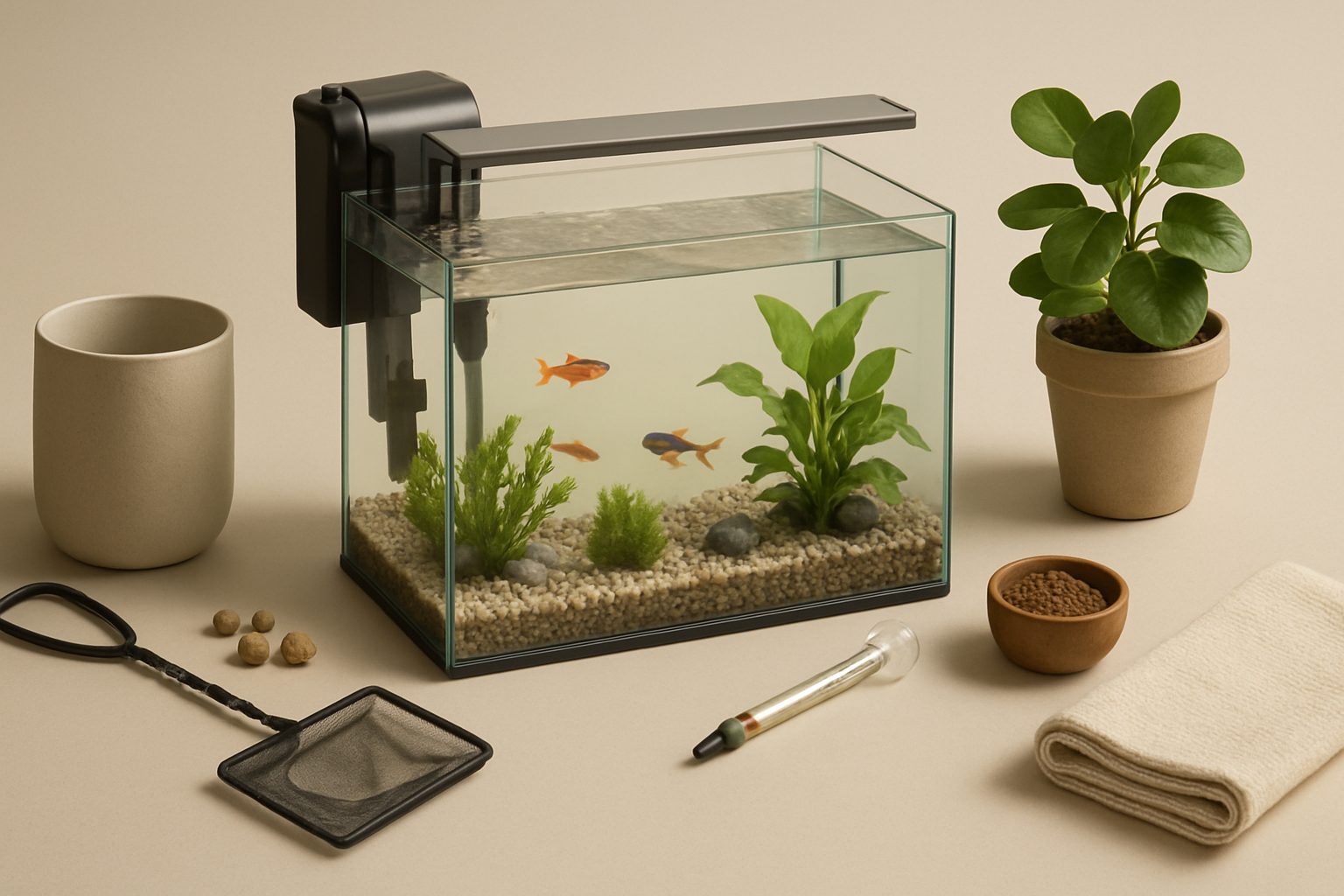
Best Marine Reef Tanks for Beginners UK 2024: Top Starter Saltwater Aquariums
Getting into marine fishkeeping doesn't have to mean years of struggle and failed tanks. The good news: modern beginner reef systems have come a long way. The right starter kit, paired with realistic expectations, puts you in a strong position to keep healthy corals and fish from day one.
Why Now's the Time to Start a Saltwater Tank
Marine aquariums used to be the preserve of obsessive hobbyists with space and budgets to match. Today's compact all-in-one systems handle water chemistry more reliably, lighting has improved dramatically, and the UK market has proper access to quality salt mixes and starter corals without hunting down obscure suppliers.
The shift matters because stability is what separates success from frustrated restarts. A 100-litre tank with good filtration holds water chemistry far more forgivingly than a 30-litre bare-bones setup ever could. Most people starting out assume "smaller is easier" — it's actually the opposite in marine setups.
What You Actually Need Before Buying a Tank
Before committing to any kit, understand these non-negotiable items. You'll need RO water (reverse osmosis) — your tap water will kill marine systems. A decent RO unit costs £80–150 upfront, or you can collect pre-made RO water from most aquarium shops at 50p–£1 per litre. For a 100-litre tank, expect to make water about twice a month.
A reliable power supply matters more in marine tanks than freshwater. Get a quality heater with a thermostat dial (not just digital), a skimmer to remove dissolved waste, and live rock or a high-flow filter chamber. The skimmer is genuinely essential, not optional — it's what keeps your water clean enough for corals.
Lighting is where beginners overspend. Don't buy the £400 fixture yet. Modern LED panels in the £100–200 range (like those from Kessil or Radion entry models sold here) grow SPS corals beautifully. Fish-only tanks need even less.
The Red Sea Max Nano: Compact, Honest Limitations
The Max Nano is genuinely popular in the UK for a reason — it's a complete, attractive package. At 75 litres with built-in LED lighting, return pump, and protein skimmer, it handles the practicalities well. You're not hunting down compatible parts.
Realistic take: it's a small tank, which means water quality swings more easily when anything goes wrong. You can't stock it like a 200-litre system. Heater reliability matters here more than in larger setups. Many UK keepers go a year or two successfully, then upgrade because the size feels constraining, not because the kit failed. For corals, stick to hardy species like mushrooms, zoanthids, and some easier SPS. The lighting is adequate, not top-tier.
Fluval Evo: The Balanced Middle Ground
The Evo line (especially the 52-litre and 135-litre models) walks a clever line between affordability and capability. Built-in filtration, integrated LED, and good tank proportions for stocking a real variety of corals.
What works: the external filter box is genuinely quiet, the return pump design suits live rock setups, and the tank dimensions let you create depth without wasted space. The LED is neither premium nor rubbish — it grows most corals from moderately-demanding groups well.
What doesn't: the integrated design means you're locked into their spare parts pricing once something wears out, and swapping components means partial tank breakdown. The skimmer space is tight, so you might need to upgrade later. Many UK keepers find themselves tweaking this system more than the Red Sea, but it's cheaper to buy initially.
Aquael Reef Expert: Budget-Conscious but Solid
If cost is driving your choice, the Aquael Reef Expert (60, 100, or 150 litres) is an honest value pick. You get a sump-based system, good water volume options, and straightforward maintenance access.
This is where you'll need to do slightly more homework — the lighting is basic, so you're looking at a £100–150 upgrade to grow anything more demanding than fish and hardy corals. The filtration is simple, which is actually good for beginners (fewer moving parts to fail), but you'll notice water clarity differences if you're stocking heavily. It's the kit to pick if you're committed to learning but watching your pennies.
Getting Started: Salt, Corals, and Livestock
UK suppliers have genuinely stepped up here. Grab a quality marine salt mix — Reef Crystals and Instant Ocean are available on Amazon and from most high-street shops, and they're reliable. Don't cheap out on salt; poor formulations create persistent algae and livestock stress.
For corals, UK shops now stock proper beginner packs: soft corals (leather, mushrooms, zoanthids) and hardy LPS (large polyp stony) species like Euphyllias. Budget £30–50 to start with four to six pieces.
Hardy fish to pair with these include clownfish, yellow tangs (in larger systems), and gobies. Add invertebrates — clean-up crews of snails and shrimp — early to establish natural algae control.
The Time and Money Reality
Budget £800–1,500 for a complete marine system that'll support you for years. Monthly ongoing costs run £15–25 for salt, food, and the occasional replacement bulb. Time commitment: thirty minutes weekly for feeding and observations, 2–3 hours monthly for water changes and maintenance.
Failure doesn't usually happen because the kit is poor. It happens because salinity drifts unmonitored, feeds are inconsistent, or livestock is overstocked. The best starter kit in the world won't fix those — only your attention will.
Pick a system that appeals to you, commit to learning water chemistry basics, and start small with corals and fish. You'll have a thriving reef within months.
More options
- Fluval Flex Aquarium Kit (Amazon UK)
- Juwel Fish Tank Range (Amazon UK)
- Aquael Leddy Aquarium Set (Amazon UK)
- API Freshwater Master Test Kit (Amazon UK)
- Dennerle Nano Cube Aquarium (Amazon UK)